The Proven Community-First Framework: How Small Actions Create Lasting Change
We're living in a bit of a paradox, aren't we?
We're more connected than ever: smartphones buzzing, social feeds scrolling, group chats pinging: yet somehow, genuine human connection feels harder to find. Many of us don't know our neighbours' names. We wave awkwardly in the hallway. We scroll past each other's lives without ever really being present in them.
But here's the beautiful truth: it doesn't have to be this way.
At REconnected Magazine, we believe that lasting change doesn't require grand gestures or complicated strategies. It starts with something far simpler. A conversation. A shared cup of tea. A small act of kindness that ripples outward in ways we might never see.
This is the heart of the Community-First Framework: a proven approach that puts people at the centre and transforms neighbourhoods, one small action at a time.
What Exactly Is a Community-First Framework?
Think of it less as a rulebook and more as a mindset shift.
A Community-First Framework flips the script on how we typically approach change. Instead of waiting for institutions, councils, or "someone else" to fix things, it empowers us, ordinary people, to become the architects of our own connected communities.
The concept has been successfully applied in diverse settings worldwide, from humanitarian health initiatives to urban planning projects across 32 cities. The common thread? When communities lead, lasting change follows.
But you don't need to launch a citywide initiative to benefit from this approach. The framework scales beautifully to your street, your building, your local café.
It all comes down to three core pillars: Connect. Engage. Activate.
The Three Pillars of Community-First Living
Pillar One: Connect

Connection is the foundation. Without it, nothing else works.
Connecting doesn't mean adding more contacts to your phone or collecting social media followers. It means being genuinely curious about the people around you. It means making eye contact. Remembering names. Asking questions you actually want to know the answers to.
Small actions that create connection:
Learn your neighbours' names: all of them
Say good morning to the person at the bus stop
Ask your local shopkeeper how their day is going (and actually listen)
Put your phone away during conversations
Wave. Smile. Acknowledge people's existence.
These might seem trivial. They're not. Research consistently shows that weak social ties, those brief, repeated interactions with acquaintances, significantly impact our well-being and sense of belonging.
Connection is the soil in which community grows.
Pillar Two: Engage

Once you've planted seeds of connection, it's time to nurture them through engagement.
Engagement means moving beyond surface-level pleasantries into something more meaningful. It's about showing up consistently, sharing resources, and creating spaces where people feel seen and valued.
Small actions that deepen engagement:
Start a simple WhatsApp group for your street or building
Share surplus garden vegetables, home baking, or books you've finished
Offer to collect a neighbour's parcel when they're at work
Organise a monthly coffee morning in your front garden or local park
Create a "little free library" or community noticeboard
The magic of engagement is that it builds trust. And trust is the currency of community. When people trust each other, they look out for one another. They share. They collaborate. They become a village.
One study found that over 95% of participants in community-centred initiatives made positive changes in their lives simply because they felt part of something larger than themselves. That's the power of engagement.
Pillar Three: Activate
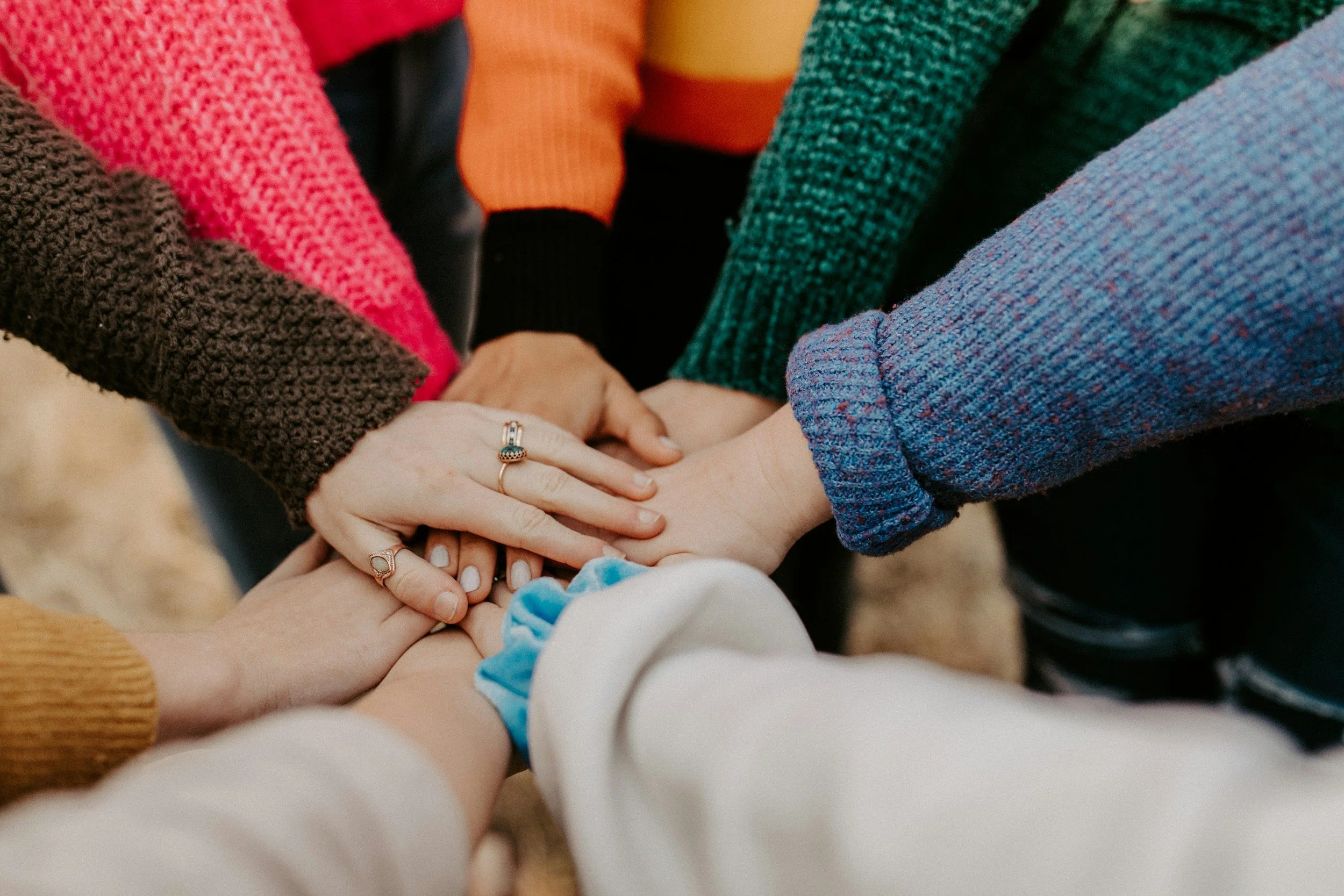
This is where small actions transform into lasting change.
Activation means channelling the connections and trust you've built into collective action. It's about identifying shared challenges and co-creating solutions: together.
Small actions that activate change:
Organise a neighbourhood litter pick or planting day
Advocate together for a local issue (a safer crossing, better lighting, preserved green space)
Launch a skills-sharing network where neighbours teach each other
Create a mutual aid system for emergencies or difficult times
Celebrate together: street parties, seasonal gatherings, communal meals
Activation doesn't require permission or professional expertise. It requires people who care, showing up consistently, and believing that their collective voice matters.
Because it does.
Why Small Actions Matter More Than Grand Gestures
Here's something we've noticed: people often feel paralysed by the scale of disconnection in modern life. Where do you even begin?
The answer is deceptively simple. You begin small.
Small actions work because they're sustainable. You can smile at your neighbour every day without burnout. You can share a recipe without needing a budget or a committee. You can check in on someone who lives alone without reorganising your entire life.
Small actions also compound. Like interest in a savings account, they build over time. That first awkward wave becomes a regular chat. That regular chat becomes a genuine friendship. That friendship becomes a support network. That network becomes a community.
And communities? Communities change everything.
A Practical Guide: Your First Week
Ready to put the Community-First Framework into practice? Here's a simple seven-day challenge to get you started:
Day 1: Learn one new neighbour's name.
Day 2: Have a conversation with someone you'd normally just nod at.
Day 3: Share something: a home-grown tomato, a book recommendation, a smile.
Day 4: Offer a small act of help without being asked.
Day 5: Introduce two people who don't know each other but might enjoy meeting.
Day 6: Create or join a local group (online or in-person).
Day 7: Reflect on how these small actions made you feel.
That's it. No overwhelming commitments. No pressure. Just seven small steps toward something truly special.
The Ripple Effect: How Your Actions Inspire Others
Here's what nobody tells you about community building: it's contagious.
When you wave at your neighbour, they're more likely to wave at someone else. When you share your surplus apples, it normalises generosity. When you organise a coffee morning, you permit others to do the same.
You become a catalyst: not through speeches or campaigns, but through consistent, visible acts of connection.
This is how movements begin. Not with manifestos, but with moments. Not with leaders, but with neighbours. Not with grand visions, but with genuine presence.
Together, we're building something bigger than any of us could create alone. We're REconnecting: with each other, with our streets, with what truly matters.
Your Invitation to Join the Movement
The Community-First Framework isn't a theory to admire from a distance. It's an invitation to participate.
Start today. Start small. Start where you are.
Wave at someone. Share something. Show up.
Because lasting change doesn't require perfection or expertise. It requires presence. It requires intention. It requires people like you who believe that a more connected, compassionate world is possible.
We believe it's possible. And we believe you're part of making it happen.
Welcome to the movement. Welcome to REconnected.
Want more ideas for intentional living and genuine connection? Explore our blog for practical inspiration, or check out upcoming community events near you. Together, we're rediscovering what matters.
